Four-Bed Crop Rotation Plan for a Small Island Vegetable Garden
A small island garden teaches you quickly that space is not the only thing in short supply. Wind, salt, thin soil, and a short growing season can all press in at once. Yet the biggest threat to a productive plot is often invisible: the build-up of soil-borne pests and diseases that happens when the same crop family sits in the same bed year after year. A four-bed rotation is a simple answer. It does not need a spreadsheet, a degree in agronomy, or a bigger garden. It needs four groups of crops, a clear order, and the discipline to move them.
Why four beds suit a small island plot
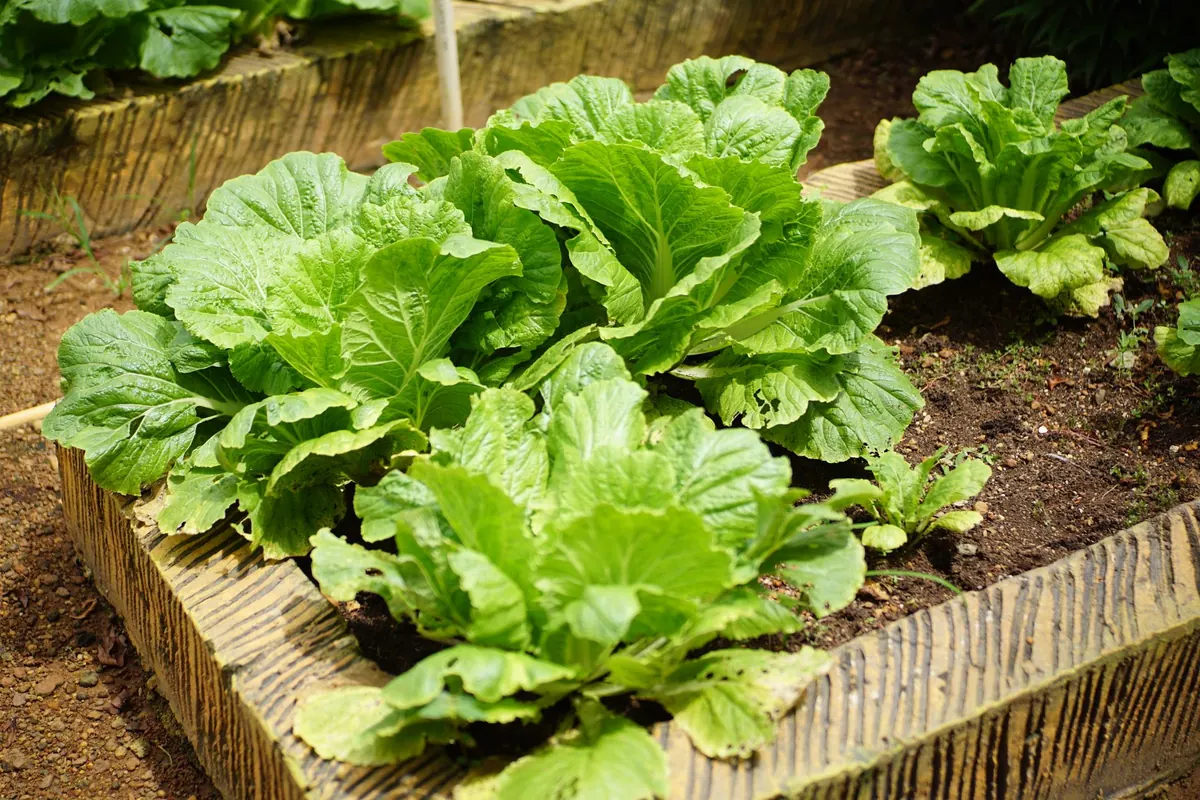
Four beds are enough to separate the main crop families without turning the garden into a jigsaw. You can rotate in a four-year cycle, which is long enough to interrupt many soil-borne problems—clubroot in brassicas, white rot in onions, and the general tiredness that comes when heavy feeders follow heavy feeders. It also gives you a practical unit for compost, mulching, and green manure. If your beds are raised, the plan is easy to lift and reset each winter. If they are open ground, the same order still works; just mark the beds clearly so you do not lose track.
The four crop groups
Divide your crops into four families. The labels matter less than consistency; what matters is that each group moves to a new bed each year.
- Legumes: peas, broad beans, French beans, runner beans. They fix nitrogen and leave the soil in good heart for the next crop.
- Brassicas and leafy greens: cabbage, kale, broccoli, cauliflower, Brussels sprouts, plus chard, spinach, and lettuce. These are hungry crops that respond to the nitrogen left by legumes.
- Roots and alliums: carrots, parsnips, beetroot, radish, onions, garlic, leeks. They prefer soil that is not too rich in nitrogen, which can push roots into forked or leafy growth.
- Fruiting crops and potatoes: tomatoes, peppers, chillies, aubergines, potatoes, courgettes, cucumbers, squash, pumpkins. These are heavy feeders and often benefit from compost and a mulch.
Potatoes and tomatoes
Potatoes and tomatoes are both in the nightshade family, so if blight is a regular problem, do not grow both in the same bed in the same year. Choose one and put the other in a container or a spare corner. Herbs and flowers can be dotted through the beds; they do not need a rotation bed of their own.
The rotation order
The order that works best in most small gardens is: legumes, then brassicas and leafy greens, then roots and alliums, then fruiting crops and potatoes, then back to legumes. Each group prepares the ground for the next.
- Legumes leave nitrogen; brassicas and leafy greens use it.
- Brassicas and leafy greens leave soil cleaner and firmer; roots and alliums follow.
- Roots and alliums leave the soil less disturbed; fruiting crops and potatoes follow with compost.
- Fruiting crops and potatoes leave the bed ready for a legume cover or an early pea crop.
Rotate by family, not by crop. A bed of cabbage followed by a bed of kale is not a rotation.
Write the order on a piece of paper and keep it in the shed. The most common mistake is not choosing the wrong order; it is forgetting which bed held what last year.
A four-year cycle in practice
Label the beds A, B, C, and D. In year one, A holds legumes, B holds brassicas, C holds roots, and D holds fruiting crops. In year two, everything moves one bed to the right: A holds brassicas, B holds roots, C holds fruiting crops, and D holds legumes. Year three moves again, and year four completes the circle. If your beds are different sizes, rotate the crops rather than the numbers; a small bed of carrots can follow a large bed of kale without breaking the principle.
On an island, the season may be windy and cool, so use the rotation to buy time as well. Peas and broad beans can go in early in the legume bed. Brassicas can follow as sturdy summer and autumn crops. Roots and alliums fill gaps. Fruiting crops and potatoes take the warmest, most sheltered bed if you have one. That bed may stay in the same place for wind protection, but the crops inside it should still move. A windbreak is a permanent structure; a rotation is not.
Island conditions to build into the plan
Rotation is the skeleton, but island gardens need a few extra habits. Salt-laden wind can scorch leaves, so give the most exposed bed a low hedge, a woven hurdle, or a row of hardy plants. Thin or sandy soil dries out quickly; add compost every year and mulch after planting. If seaweed is available locally and you know it is clean, it can be composted or used as a mulch, but rinse it first if salt is a concern. Raised beds warm earlier in spring, which suits courgettes, beans, and tomatoes. None of this changes the four-bed order; it simply makes the beds more forgiving.
What to do between crops
Do not leave a bed bare if you can help it. After an early crop, sow a quick catch crop of rocket, radish, or spinach, or a green manure such as field beans, phacelia, or grazing rye. Cut green manures before they set seed and either compost them or dig them in shallowly. Clear crop debris, especially brassica stalks and potato foliage, because pests and diseases can overwinter in the remains. Add compost to the hungriest beds—brassicas and fruiting crops usually need the most—and keep paths clean. A simple notebook or a phone note is enough: bed, crop family, date, and anything that failed. That record is worth more than a perfect plan you never follow.
Start with four beds and keep them moving
Four beds will not solve every problem. Slugs, pigeons, and blight will still visit. But a four-bed rotation gives you a clear structure, reduces the chance of soil-borne pests building up, and makes the garden easier to plan each winter. Start with the families you actually grow. If you do not grow brassicas, use the leafy-green group; if potatoes take too much room, use the fruiting-crop group for tomatoes and courgettes. The scheme is a framework, not a rulebook. Move the groups, feed the soil, and keep notes. After two or three years, the rotation will feel less like a plan and more like the ordinary way you work the plot.
Photo: Agung Sutrisno / Pexels